



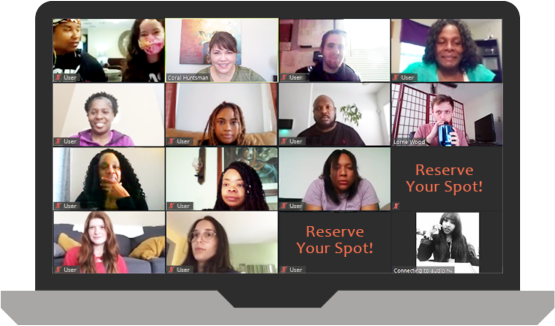
Our Live Trainings are Now Available Online
Please contact our Managing Director, Joseph Solomita, at jsolomita@starsinc.com for more info.
Stars Training Academy serves as the purveyor of the Transition to Independence Process (TIP) Model®.
The Transition to Independence Process (TIP) Model is an evidence-supported practice developed by Dr. Hewitt “Rusty” Clark that addresses the unique needs of young adults (14-29 years old) with emotional and behavioral difficulties.
Dr. Clark is Professor Emeritus, at the University of South Florida and serves as a Senior Consultant and Co-Chair of the TIP Model Institute Certification and Accreditation Board at Stars Training Academy. Dr. Clark has developed and researched many innovative programs for youth in locations around the world.
The TIP Model focuses on youth engagement, futures planning and skill-building through a person-centered, strength-based approach. The TIP Model emphasizes youth voice and choice and supports youth and young adults with their transition to adulthood.

The Stars Training Academy functions are as follows:
- Provides a range of clinical trainings for community-based programs
- Provides intensive training and consultation for implementation
- Builds site capacity for sustainability
- Collaborates with systems of care to build local youth and young adult empowerment
- Provides tailored technical assistance on systems, policy and evaluation issues.
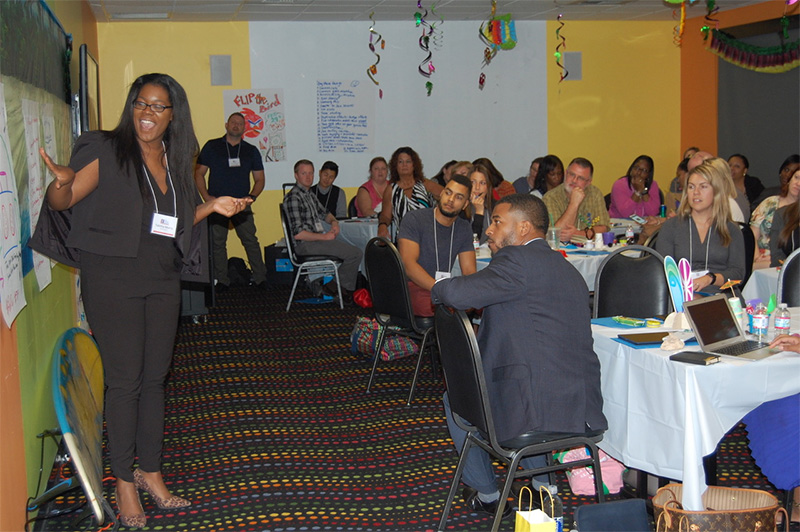
Stars Training Academy offers a wide range of training programs on research-based models of care for treating mental health and substance use problems, including interactive in-person workshops, educational classes, coaching and consultative services.
Who We Work With









I have worked for the TIP program for almost 10 years and have seen how much the model; using the guidelines and competencies have helped young adults enhance their skills and successfully transition to adulthood.
We live in a rural area and have a shortage of services for our young people. TIP has proven to be very helpful in engaging young people and providing our caseworkers with the necessary tools to best meet their needs. TIP is an innovative, person-center practice filled with easy to use and creative tools! I truly feel that with TIP, we are able to provide the best service possible.
Both Elijah and Coral are wonderful trainers — knowledgeable, funny, creative, energetic, sincere, engaging, leaders, passionate, warm, and outstanding teachers. That was the consensus of all mentors and staff during our three-day training. The mentors asked a lot of questions and were very engaged.
Since 2009, Stars Training Academy has provided clinical training for:
Counties
Countries